%201.svg)


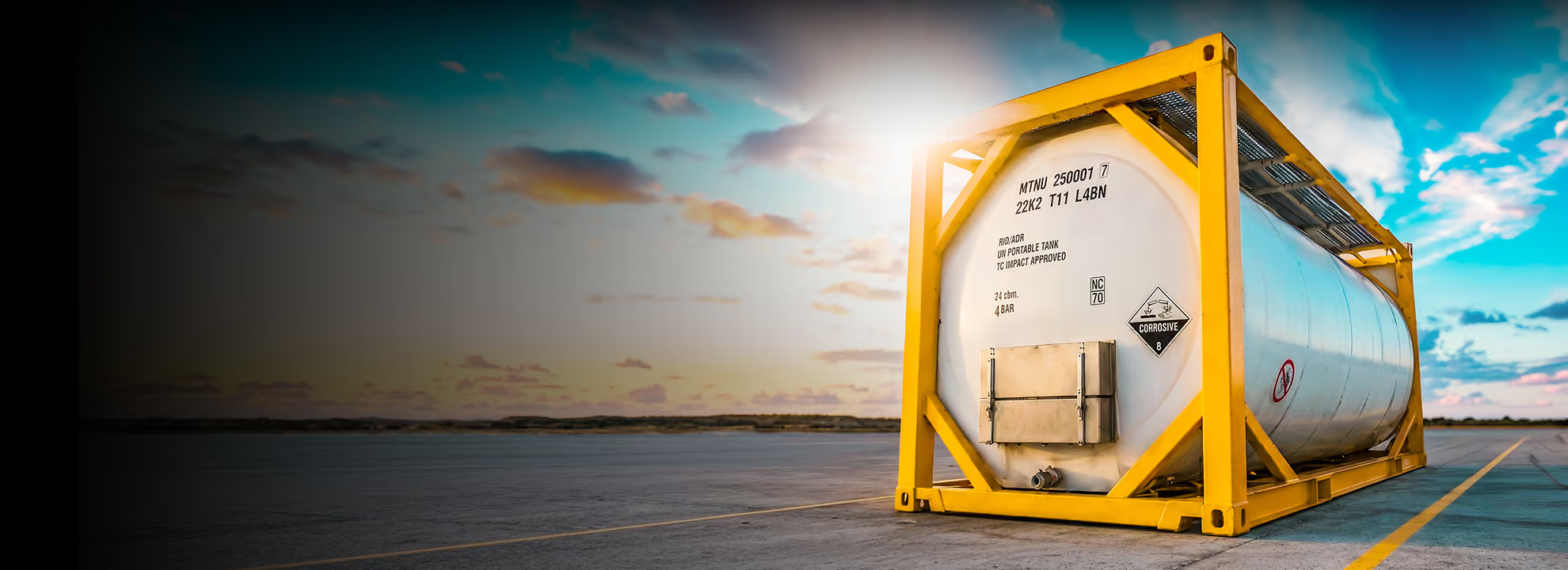
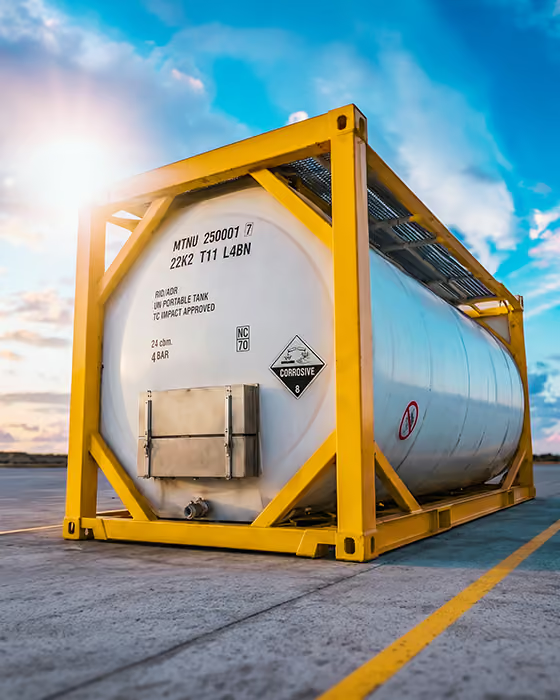
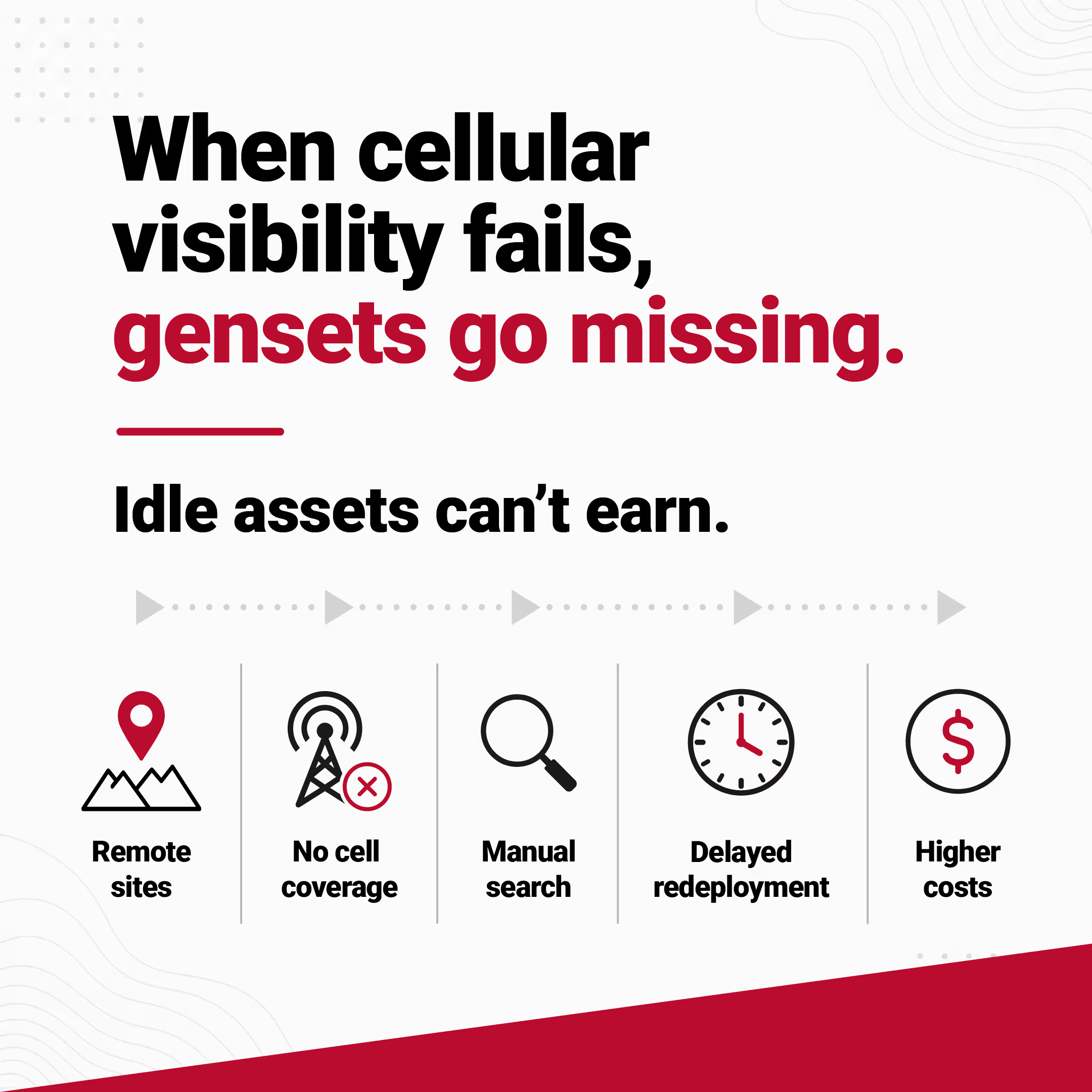
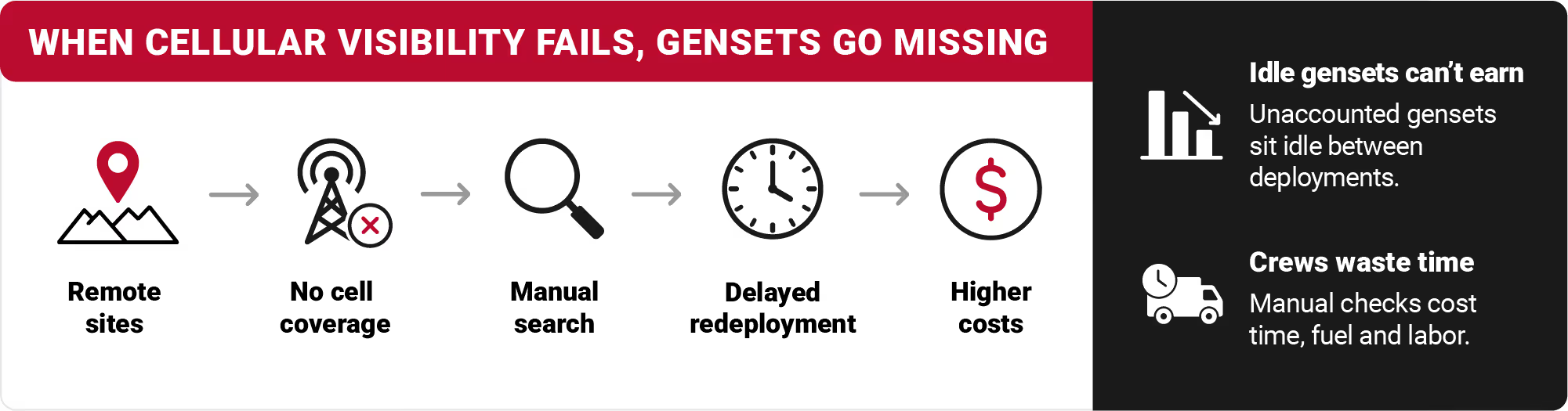
Cada tanque móvel representa capital que já está em campo. Quanto mais rápido ele puder ser recuperado, reabastecido e realocado, mais rotatividade produtiva poderá gerar a cada ano.
O desafio é que, quando os tanques passam por rotas remotas, instalações de clientes e áreas com cobertura celular limitada, eles podem levar mais tempo para serem localizados para recuperação. Isso significa tempo de permanência desconhecido, coletas atrasadas, realocação mais lenta e ROI reduzido.
Com rastreamento via satélite, as equipes podem localizar os tanques mais cedo, reduzir o tempo de permanência oculto e recolocar ativos de alto valor em operação.
Seus tanques são ativos produtivos. Tempo ocioso é receita perdida.
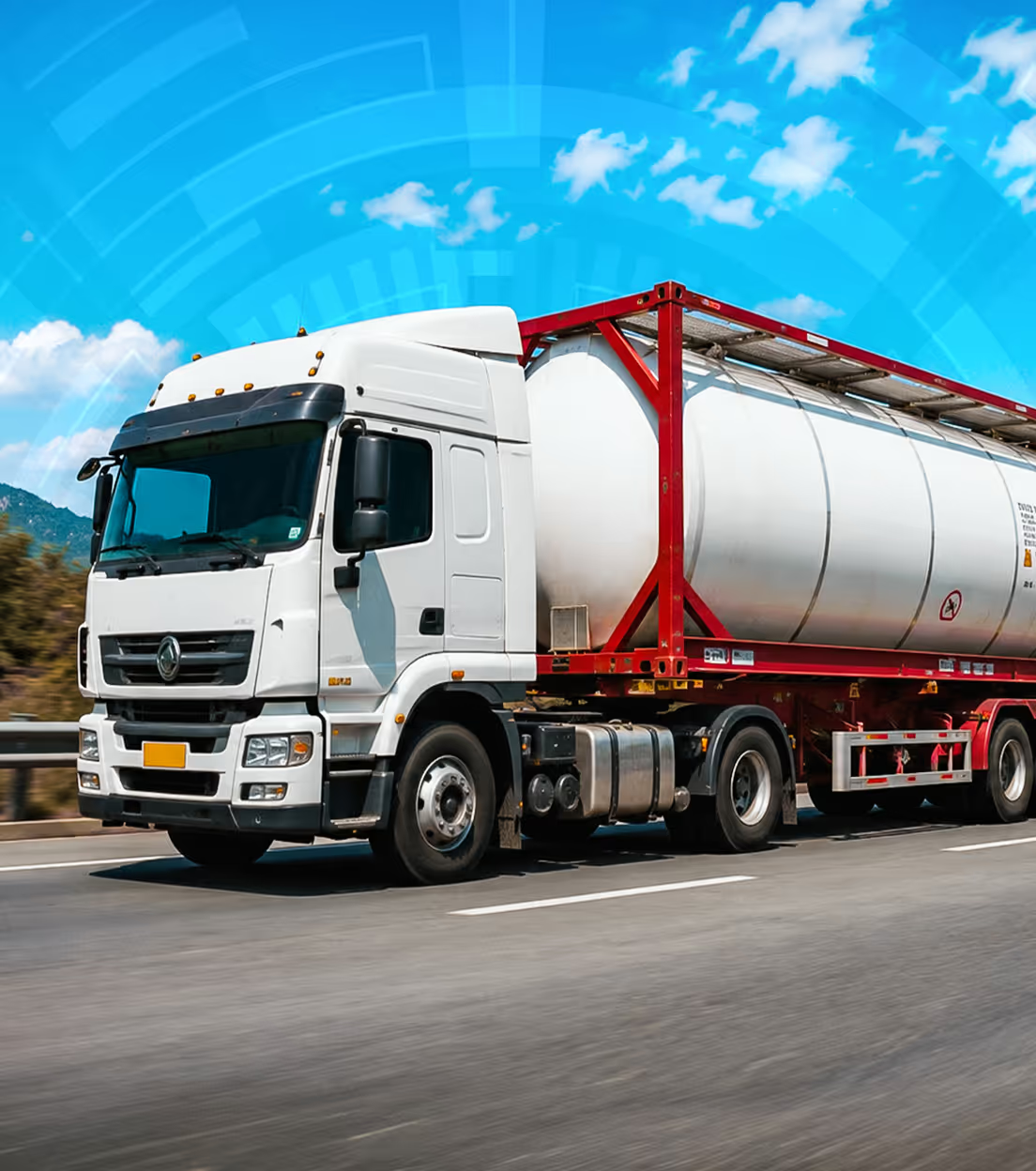
Ao adicionar visibilidade de localização via satélite a tanques móveis, os operadores podem transformar o status desconhecido dos ativos em decisões claras de recuperação, tempo de permanência e realocação.
- Recupere os tanques mais rapidamente
Identifique a localização exata e coloque-os de volta em serviço mais cedo. Menos tempo ocioso. Melhor utilização em toda a frota. - Reduza o tempo de permanência oculto
Saiba há quanto tempo um tanque está parado em uma instalação de cliente ou pátio remoto. Pare de descobrir longos períodos de permanência por meio de uma disputa de cobrança ou ligação de cliente. - Coordene sem precisar ficar perseguindo informações
Substitua ligações diárias, e-mails e planilhas por um registro de localização. Sua equipe confirma a localização e o histórico de movimentação de forma rápida e fácil.

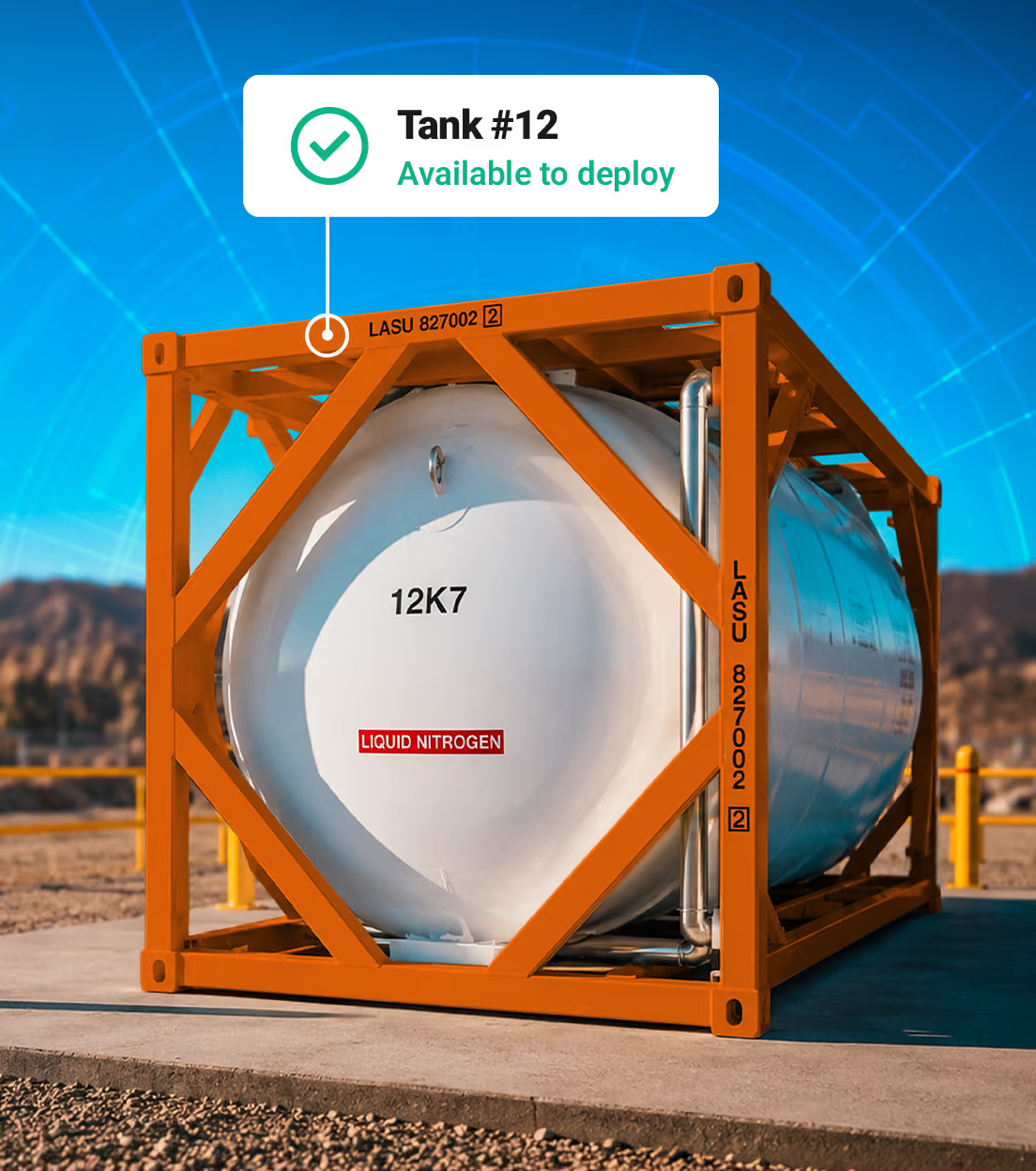
Três formas de os tanques ISO perderem dinheiro
Um tanque perde dinheiro de três formas: fica ocioso quando poderia ser realocado, atrasa o próximo envio porque as operações não conseguem confirmar sua disponibilidade e gera disputas quando as equipes discordam sobre localização ou tempo de permanência.
Concebido para uma implementação simples de tanques

O SC 1000 é alimentado por energia solar, autônomo e construído para condições industriais.
Instala-se em minutos. Sem fiação. Sem conexão de energia do tanque. Sem ferramentas especiais.
Projetado para funcionar de forma autônoma, ele opera com energia solar e uma bateria de backup, mantendo os relatórios mesmo em tanques deixados sem supervisão por longos períodos.
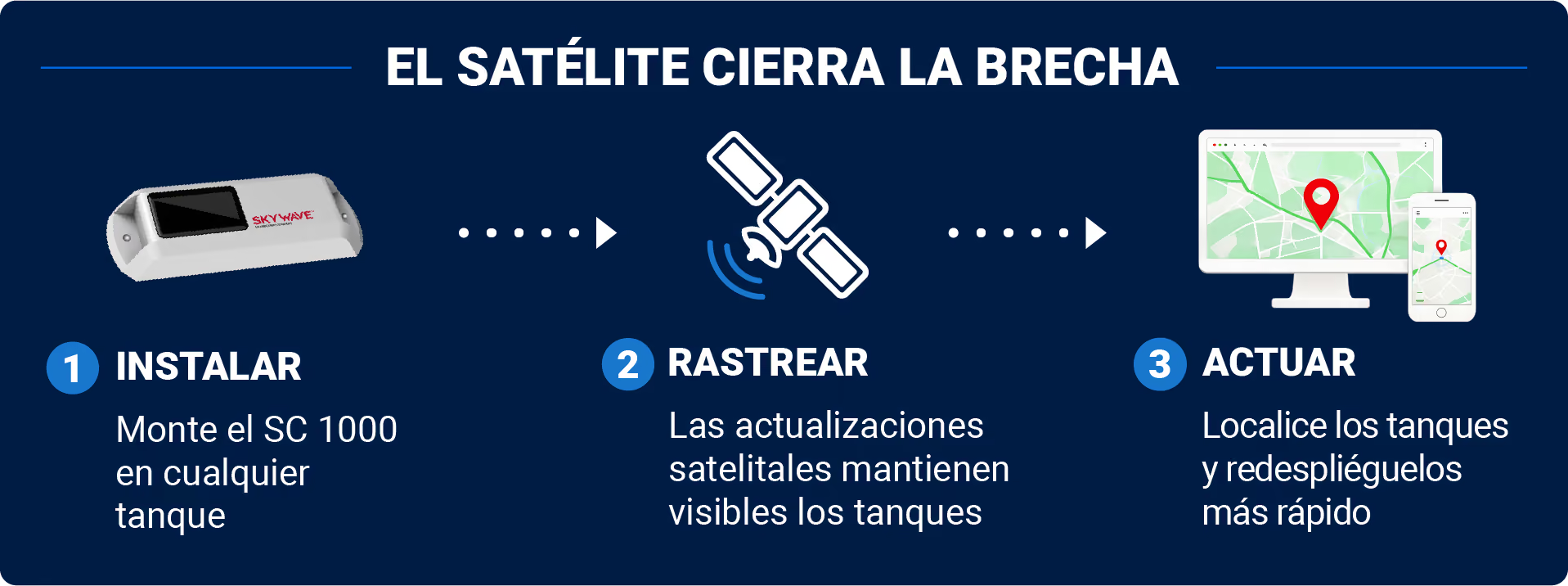
O SC 1000 oferece rastreamento confiável de localização e movimento sem a complexidade do monitoramento da condição do tanque ou da integração de sensores.
Ele transmite a localização a cada seis horas quando parado e a cada 30 minutos quando em movimento.
Isso é suficiente para gerenciar o tempo de permanência, a recuperação e a redistribuição sem pagar por dados que você não precisa.
Concebido para uma implantação simples em tanques
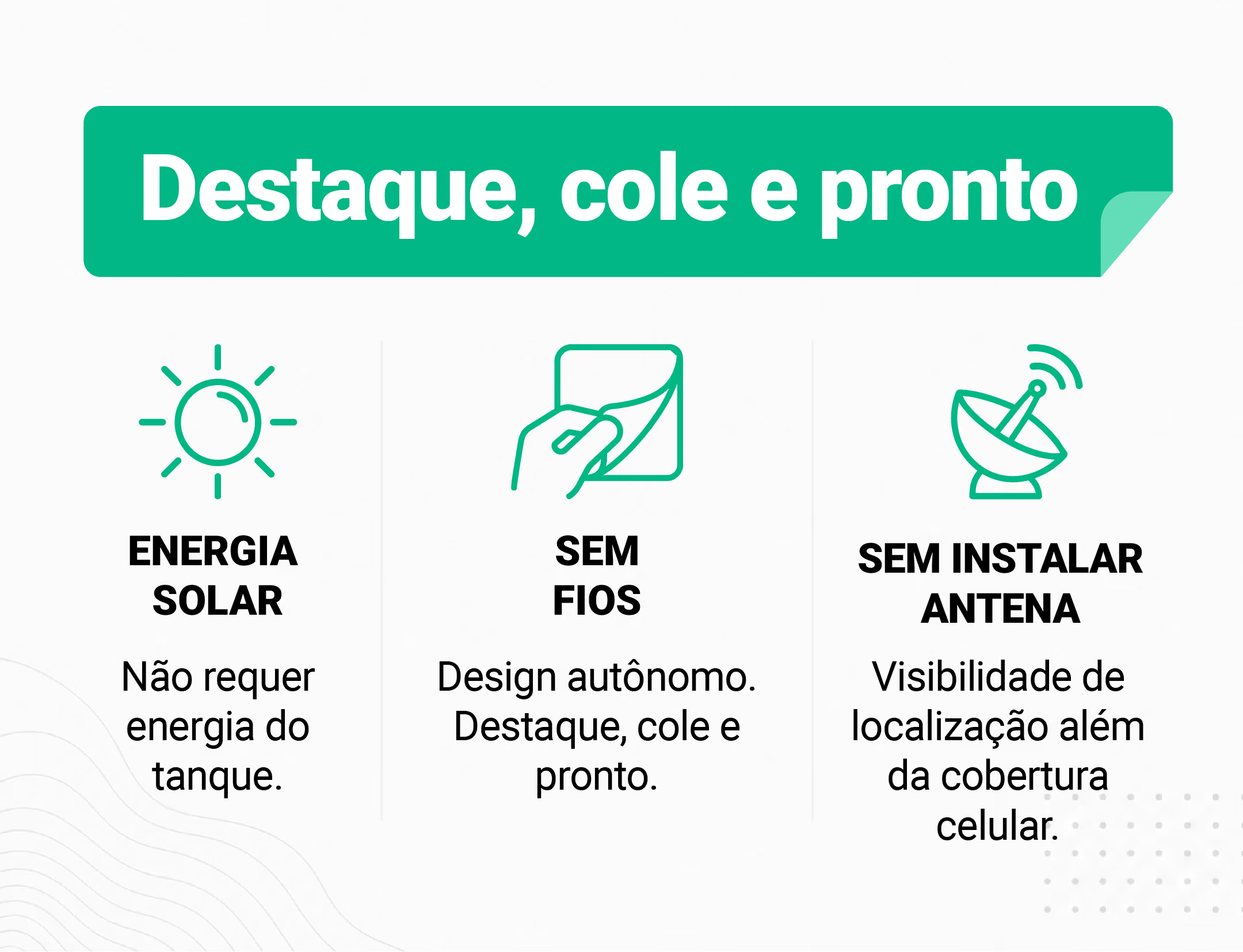
O SC 1000 é alimentado por energia solar, autónomo e construído para condições industriais.
Instala-se em minutos. Sem fiação. Sem conexão de energia ao tanque. Sem ferramentas especiais.
Projetado para funcionar de forma autónoma, funciona com energia solar e uma bateria de reserva, para que continue a reportar mesmo em tanques deixados sem vigilância por longos períodos.

O SC 1000 oferece rastreamento fiável de localização e movimento sem a complexidade da monitorização das condições do tanque ou da integração de sensores.
Transmite a localização a cada seis horas quando estacionário e a cada 30 minutos quando em movimento.
Isso é suficiente para gerir o tempo de permanência, recuperação e redistribuição sem pagar por dados de que não precisa.
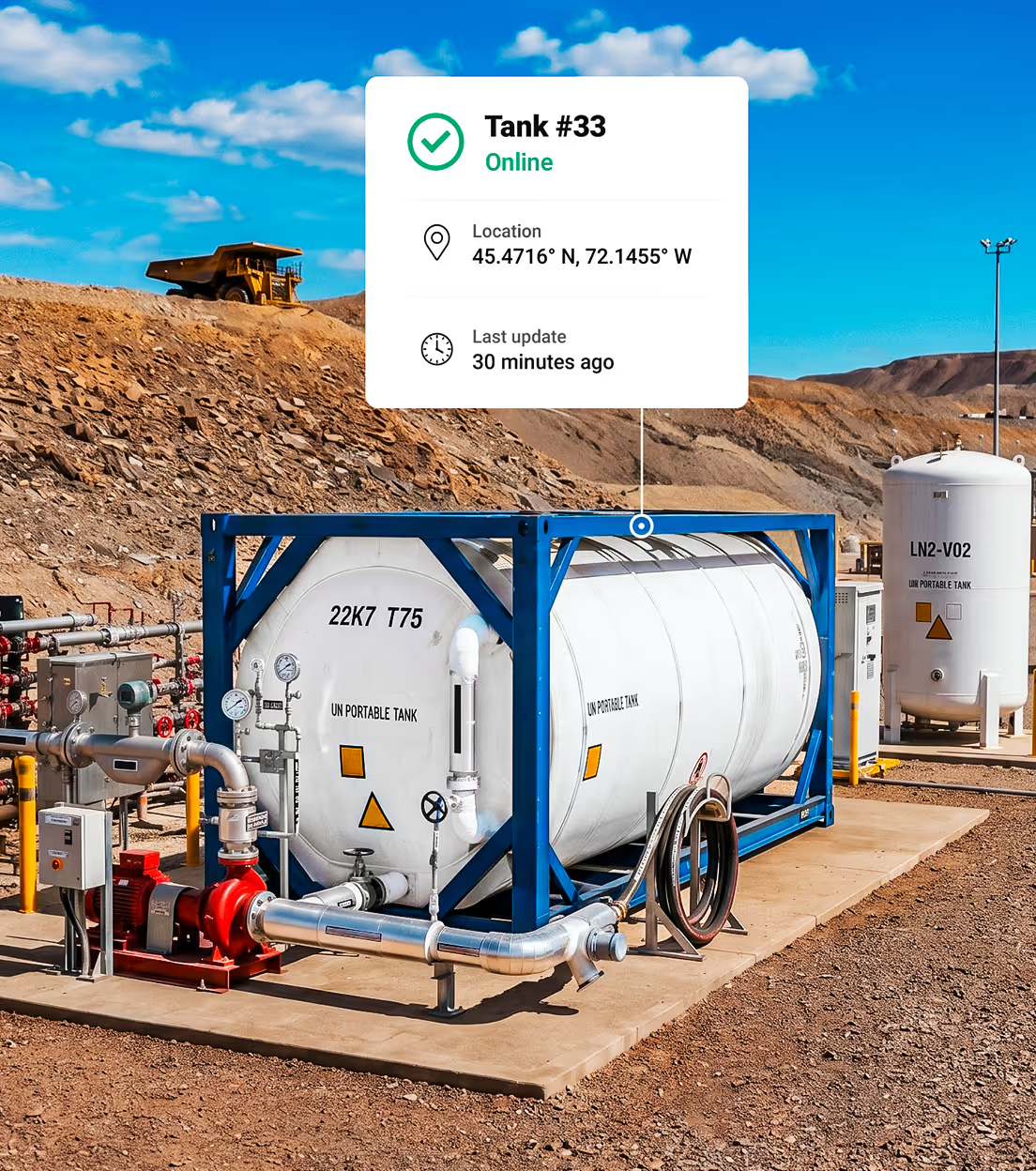
Ideal para frotas que:
- Transportar tanques por desertos, minas, ilhas, pontos offshore, rotas rurais ou corredores de fronteira
- Perder a visibilidade assim que os tanques saem do depósito, porto ou pátio do cliente
- Gastar horas confirmando manualmente a localização, o tempo de permanência e a disponibilidade do tanque
- Necessidade de prestação de contas em pátios, locais e rotas transfronteiriças
Não indicado para: monitoramento do nível do tanque ou integração total de sensores.
A quem se destina
- Operadores e locadores de tanques ISO e equipes de logística de líquidos a granel
- Distribuidores químicos que transportam tanques para locais remotos e transfronteiriços
- Frotas de tanques de gases industriais e criogênicos que atendem plantas, campos petrolíferos e projetos temporários
- Transportadoras de líquidos a granel com operações ISO/intermodais
- Produtores químicos com tanques controlados pelo embarcador
.avif)
Porquê SKYWAVE
A SKYWAVE tem 30 anos de experiência em IoT industrial e mais de 500 parceiros fornecedores de soluções em 90 países.
Entre em contato conosco para ver como a visibilidade via satélite pode reduzir o tempo de busca e melhorar a utilização da frota de geradores em operações remotas.
Procurando um parceiro de implementação? Podemos conectá-lo a um parceiro SKYWAVE autorizado em sua região.
Perguntas Frequentes
Por que usar rastreamento via satélite para tanques em vez de rastreamento celular padrão?
Rastreadores celulares têm pontos cegos em áreas remotas, que é exatamente onde os tanques móveis são mais difíceis de localizar. O SC 1000 usa uma rede global de satélites para manter os tanques visíveis mesmo completamente fora da cobertura celular.
O SC 1000 requer energia externa ou fiação complexa?
Não. É uma unidade autônoma, alimentada por energia solar, com uma bateria de backup integrada. Instala-se de forma segura em minutos, sem ferramentas especializadas ou conexão à energia do tanque.
Este dispositivo monitora o conteúdo do tanque, temperatura ou pressão?
Não. O SC 1000 é projetado especificamente para rastreamento de localização e movimento. Ele evita o custo e a complexidade do monitoramento da condição do tanque e da integração de sensores.
Com que frequência o rastreador informa sua localização?
Ele se ajusta com base no movimento: uma atualização a cada seis horas quando parado e a cada 30 minutos assim que o movimento é detectado.
Como isso melhora a utilização do tanque?
Ele sinaliza tanques ociosos em locais de clientes e pátios remotos e confirma quais unidades estão prontas para coleta, para que sua equipe possa recuperar e redistribuir ativos mais rapidamente. De acordo com dados da indústria da EY, adicionar visibilidade de localização IoT a frotas de tanques pode proporcionar um ganho de 55% nas rotações e um tempo de ciclo 23,5% menor, eliminando o tempo de inatividade oculto.
Para quais tipos de tanque o SC 1000 é mais adequado?
É projetado para ativos de tanques móveis de alto valor, incluindo contêineres-tanque ISO, tanques químicos portáteis e tanques de gás criogênicos, como tanques de oxigênio líquido
Quando o SC 1000 não é a solução ideal?
Se você precisa de sensores de condição do tanque ou monitoramento de temperatura, nível ou pressão.
%201.svg)