%201.svg)


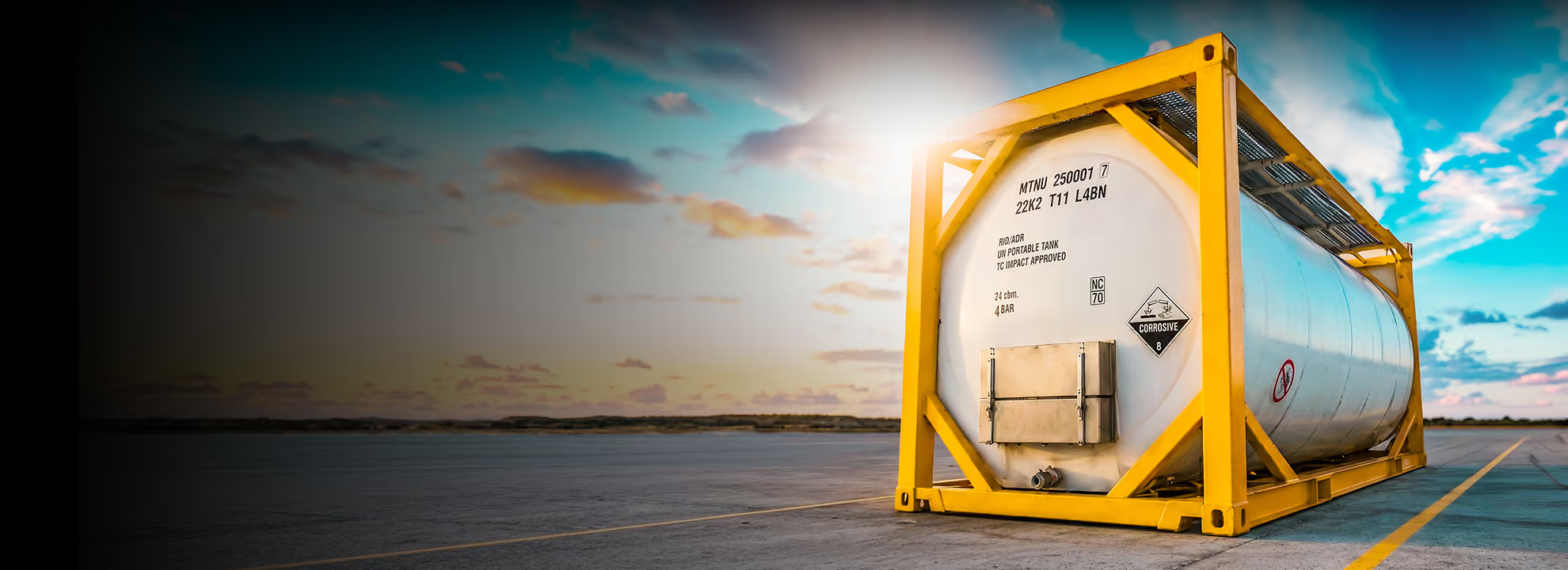
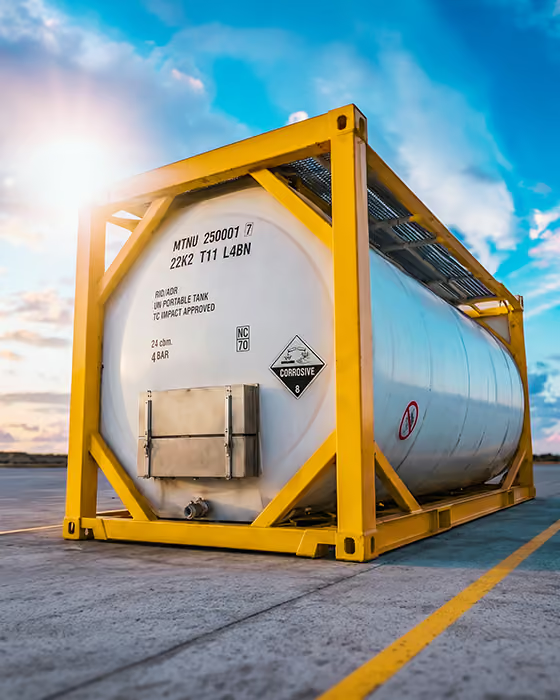
Every mobile tank represents capital already in the field. The faster it can be recovered, refilled and redeployed, the more productive turns it can generate each year.
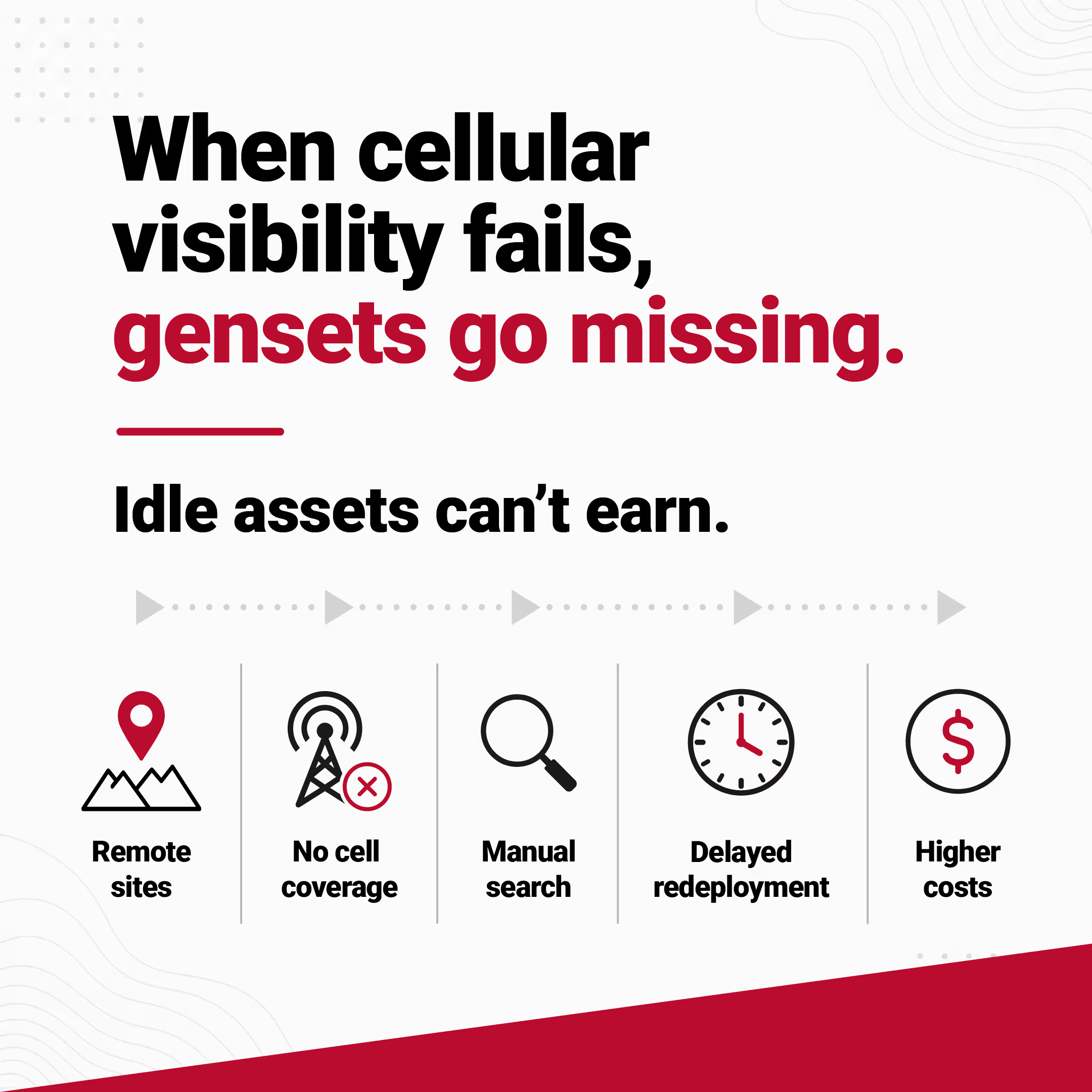
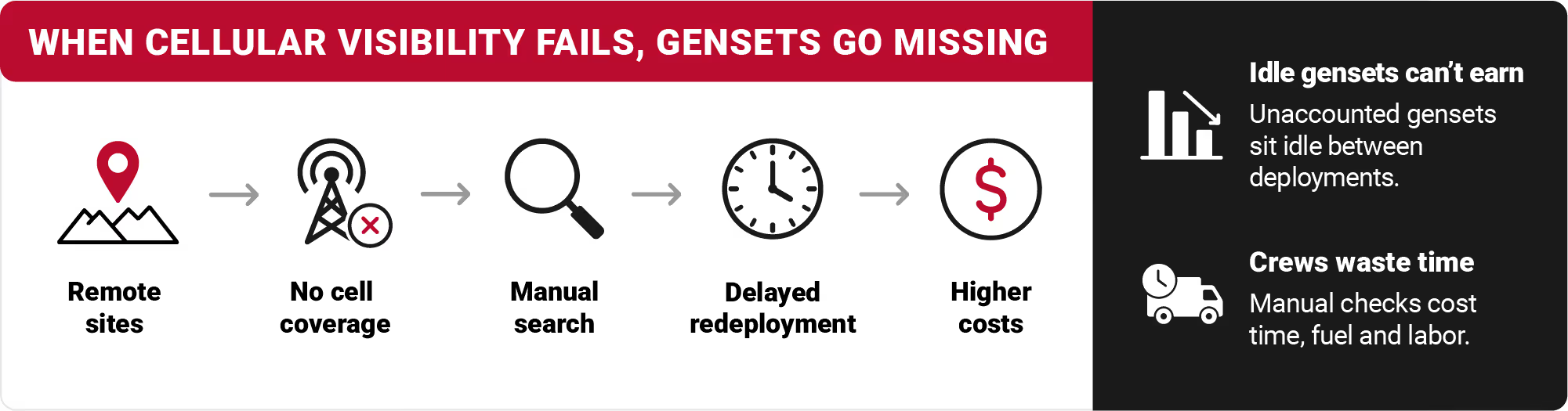
The challenge is that once tanks move through remote routes, customer sites and areas with limited cell coverage, they can take longer to locate for recovery. That means unknown dwell, delayed pickups, slower redeployment and reduced ROI.
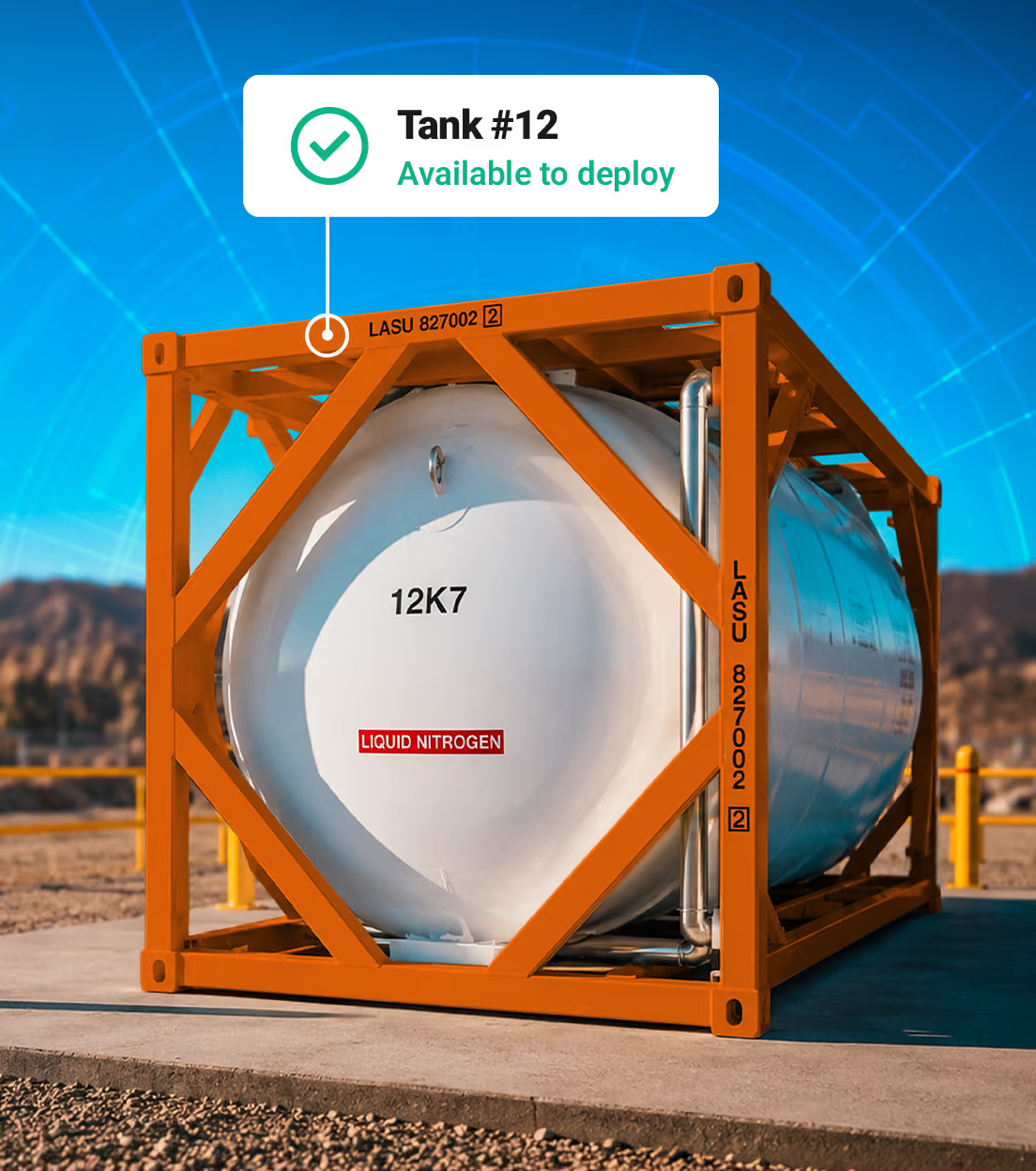
With satellite tracking, teams can locate tanks sooner, reduce hidden dwell and put high-value assets back to work.
Your tanks are working assets. Idle time is lost revenue.
By adding satellite-based location visibility to mobile tanks, operators can turn unknown asset status into clear recovery, dwell and redeployment decisions.
- Recover tanks faster
Pinpoint location and pull them back into service sooner. Less idle time. Better utilization across the fleet. - Cut hidden dwell
Know how long a tank has been sitting at a customer site or remote yard. Stop finding out about long dwell from a billing dispute or a customer call. - Coordinate without the chase
Replace daily calls, emails and spreadsheets with a location record. Your team confirms location and movement history quickly and easily.
Three Ways ISO Tanks Lose Money
A tank loses money three ways: it sits idle when it could be redeployed, it delays the next shipment because operations can’t confirm availability, and it triggers disputes when teams disagree about location or dwell time.
Built for simple tank deployment

The SC 1000 is solar-powered, self-contained and built for industrial conditions.
It installs in minutes. No wiring. No tank power connection. No special tools.
Designed to work on its own, it runs on solar power with a backup battery, so it keeps reporting even on tanks left unattended for long stretches.
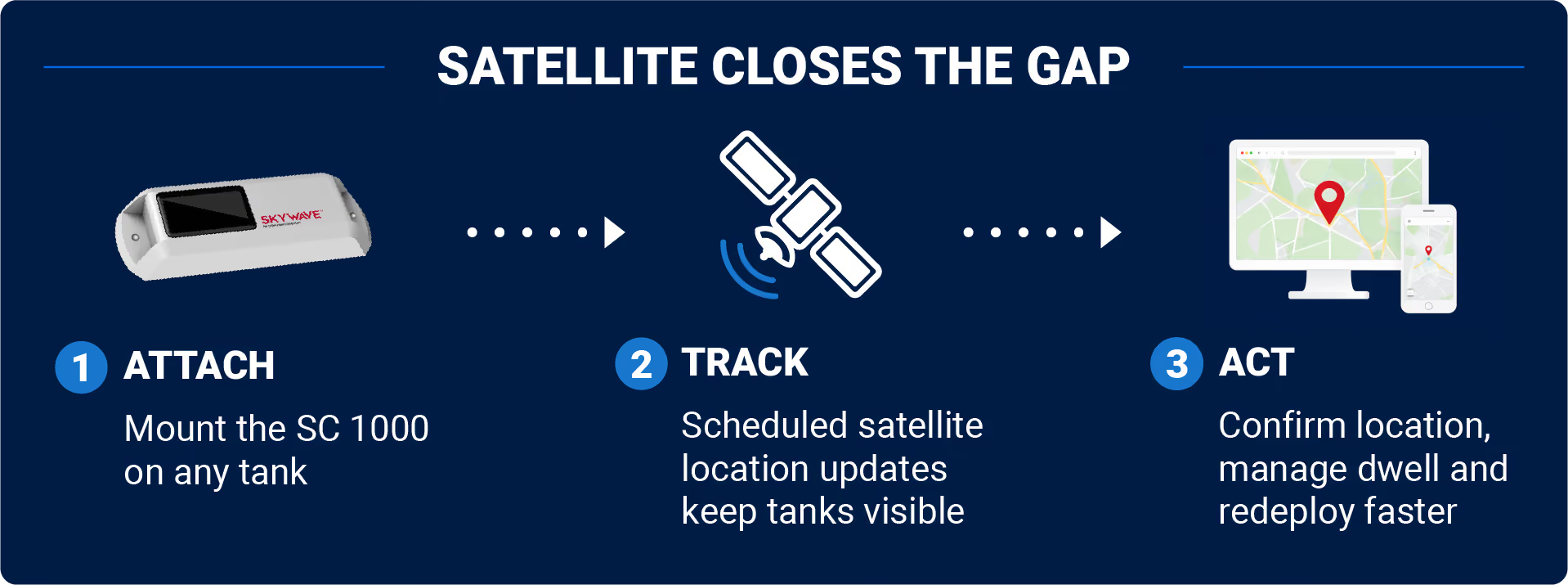
The SC 1000 delivers reliable location and movement tracking without the complexity of tank-condition monitoring or sensor integration.
It transmits location every six hours when stationary and every 30 minutes when moving.
That's enough to manage dwell, recovery and redeployment without paying for data you don’t need.
Built for simple tank deployment
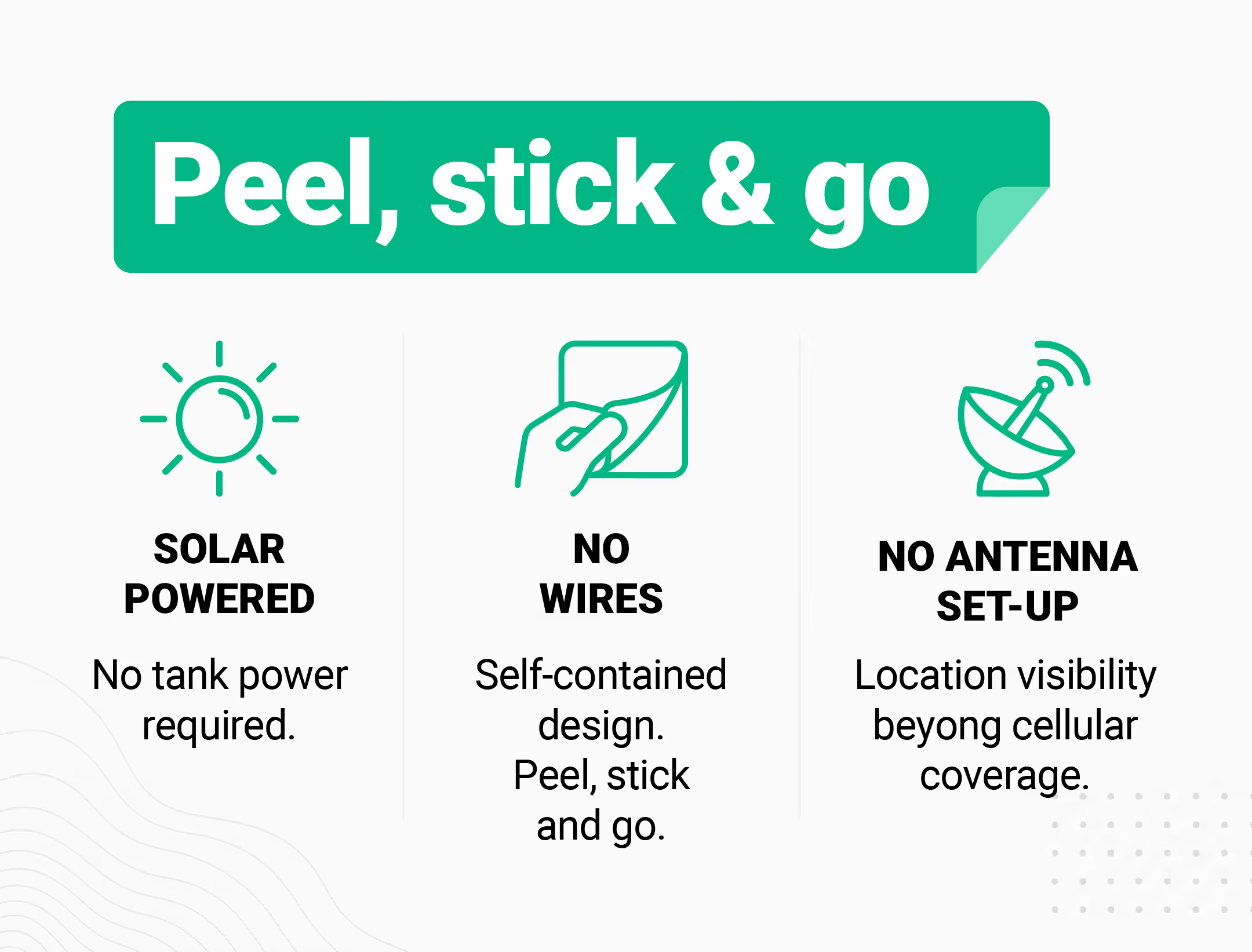
The SC 1000 is solar-powered, self-contained and built for industrial conditions.
It installs in minutes. No wiring. No tank power connection. No special tools.
Designed to work on its own, it runs on solar power with a backup battery, so it keeps reporting even on tanks left unattended for long stretches.
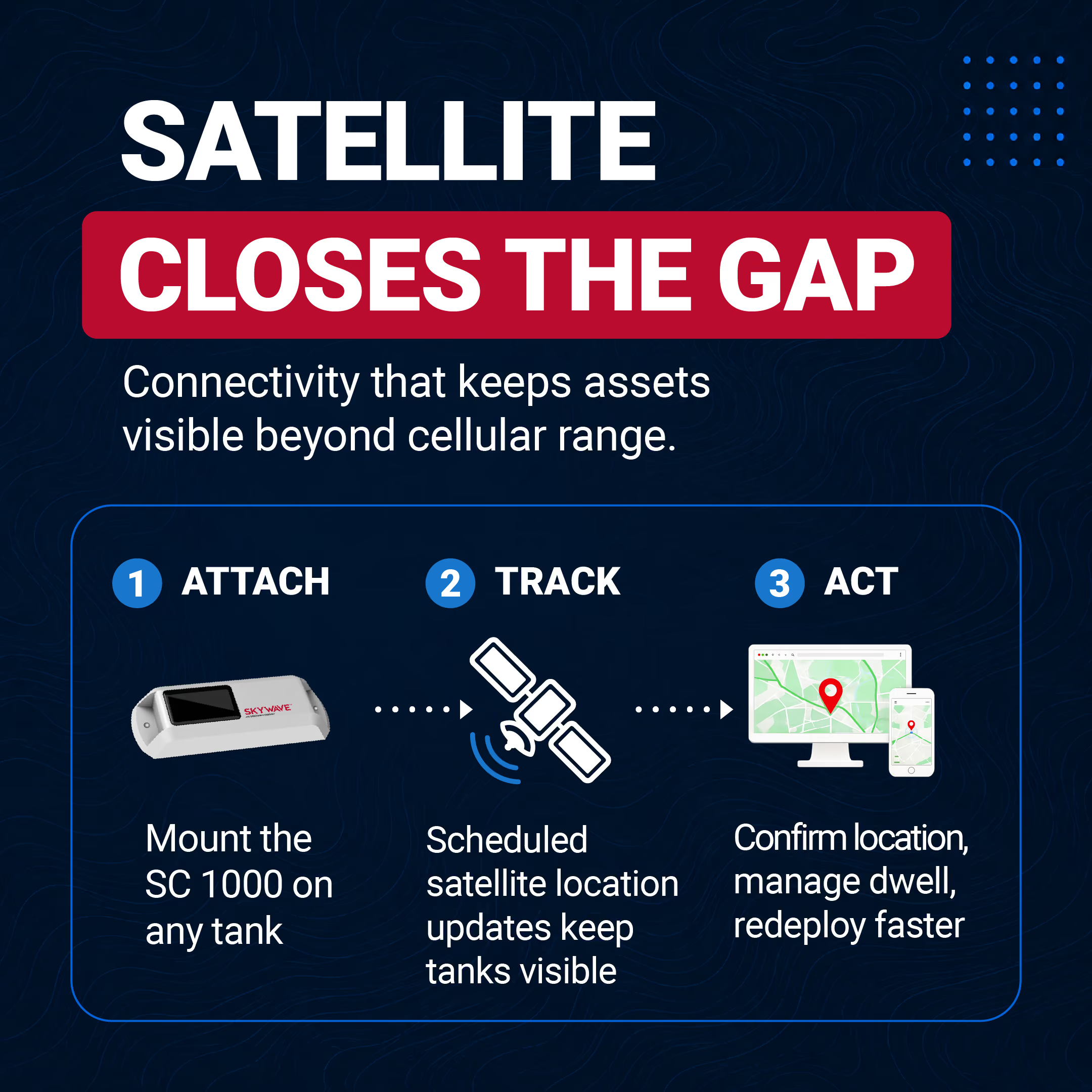
The SC 1000 delivers reliable location and movement tracking without the complexity of tank-condition monitoring or sensor integration.
It transmits location every six hours when stationary and every 30 minutes when moving.
That's enough to manage dwell, recovery and redeployment without paying for data you don’t need.
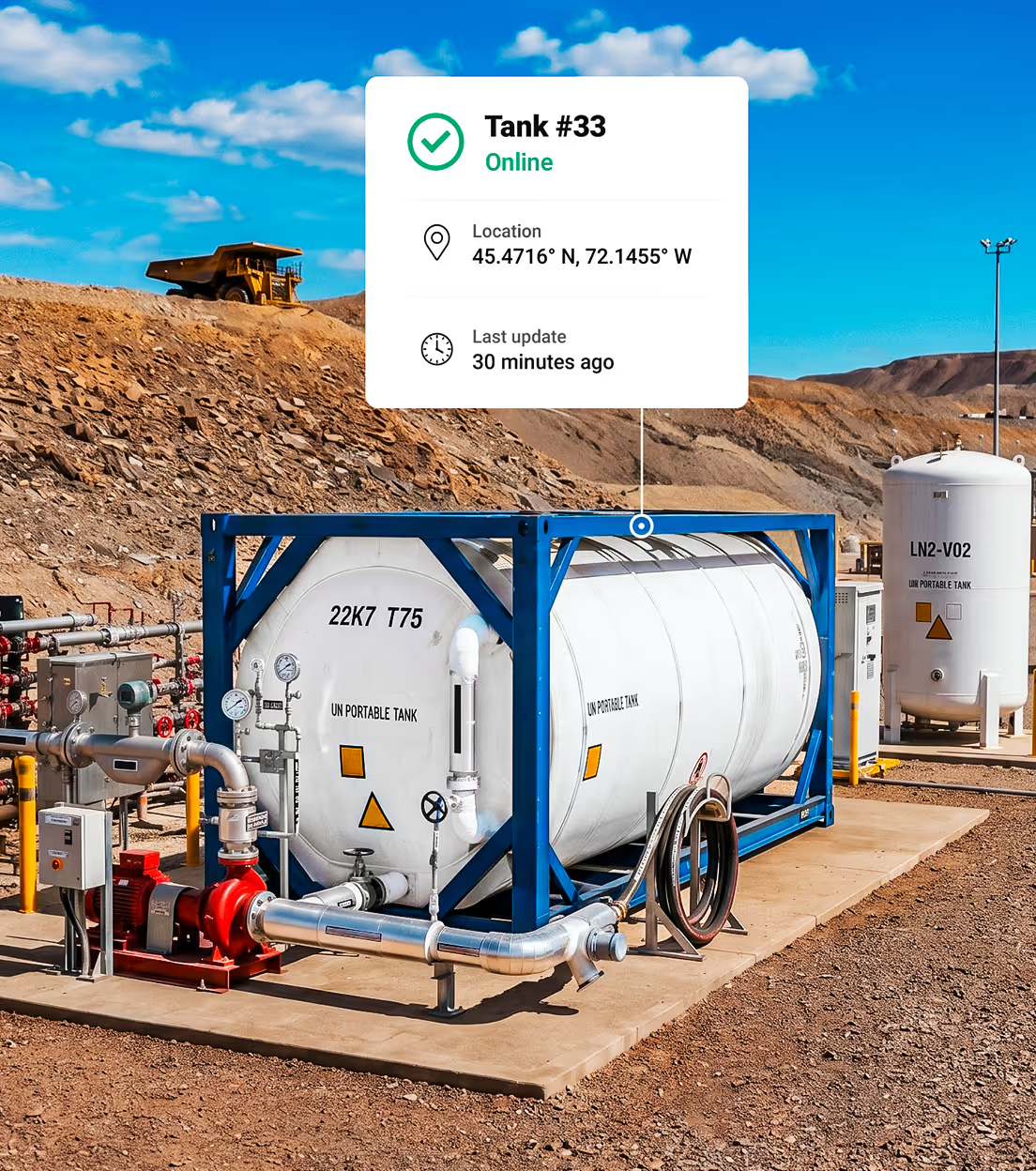
Best fit for fleets that:
- Move tanks through deserts, mines, islands, offshore points, rural lanes or border corridors
- Lose visibility once tanks leave the depot, port or customer yard
- Spend hours confirming tank location, dwell and availability by hand
- Need accountability across yards, sites and cross-border lanes
Not suited for: tank level monitoring or full sensor integration.
Who it serves
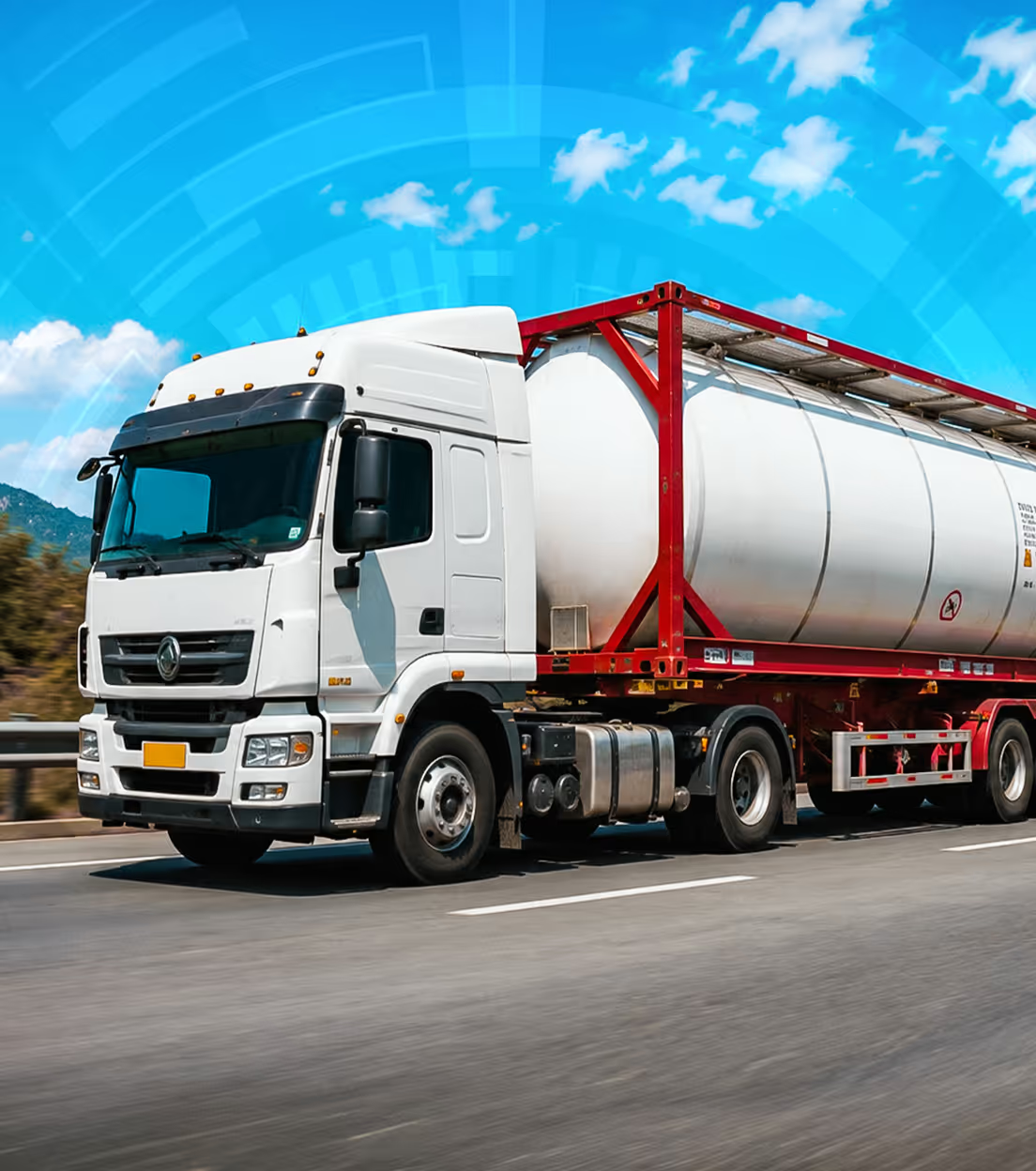
- ISO tank operators, lessors and bulk liquid logistics teams
- Chemical distributors moving tanks to remote and cross-border sites
- Industrial gas and cryogenic tank fleets serving plants, oilfields and temporary projects
- Bulk liquid carriers with ISO/intermodal exposure
- Chemical producers with shipper-controlled tanks
.avif)
Frequently Asked Questions
Why use satellite tracking for tanks instead of standard cellular tracking?
Cellular trackers have blind spots in remote areas, which is exactly where mobile tanks are hardest to locate. The SC 1000 uses a global satellite network to keep tanks visible even completely outside cell coverage.
Does the SC 1000 require external power or complex wiring?
No. It's a self-contained, solar-powered unit with a built-in backup battery. It installs securely in minutes without specialized tools or a connection to the tank's power.
Does this device monitor tank contents, temperature or pressure?
No. The SC 1000 is purpose-built for location and movement tracking. It skips the cost and complexity of tank-condition monitoring and sensor integration.
How often does the tracker report its location?
It adjusts based on movement: an update every six hours when stationary and every 30 minutes once motion is detected.
How does this improve tank utilization?
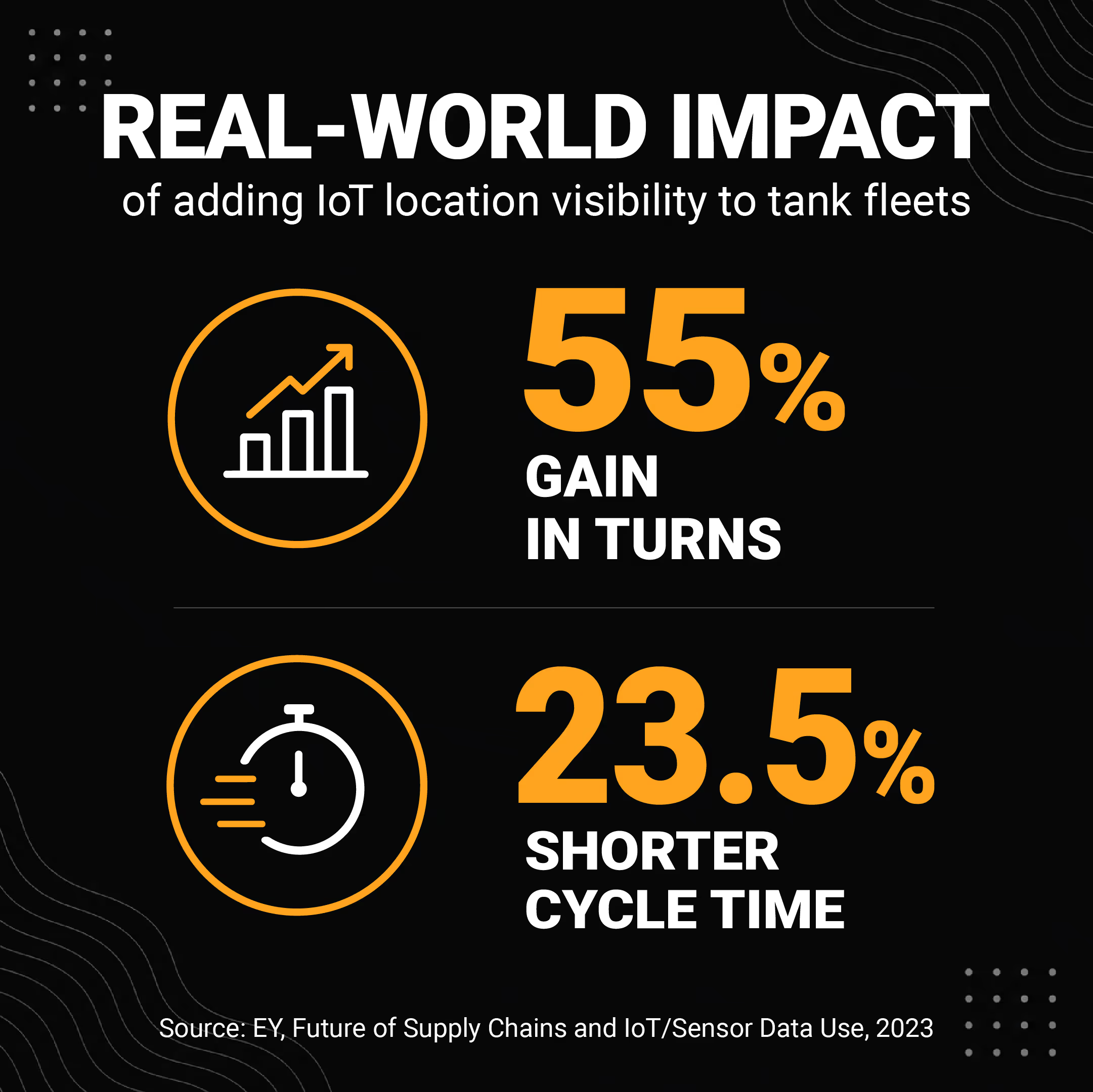
It flags idle tanks at customer sites and remote yards and confirms which units are ready for collection, so your team can recover and redeploy assets faster. According to industry data from EY, adding IoT location visibility to tank fleets can deliver a 55% gain in turns and a 23.5% shorter cycle time by eliminating hidden dwell.
What tank types is the SC 1000 best suited for?
It's designed for high-value mobile tank assets, including ISO tank containers, portable chemical tanks and cryogenic gas tanks such as liquid oxygen tanks
When is the SC 1000 not the right fit?
If you need tank-condition sensors or temperature, level or pressure monitoring.
%201.svg)